
"coffee growing in Central America"
2000 article(s) found

The World Coffee Research Association publishes the Compendium of Coffee species
The World Coffee Research Association (World Coffee Research), hereinafter referred to as WCR, issued the Coffee Tree species of Central America and the Caribbean, an unprecedented Arabica tree species compendium. You can download it from the following website: https://varieties.worldcoffeeresearch.org this compendium was written by WCR and designated partner Coffee Farm. Can be on the net
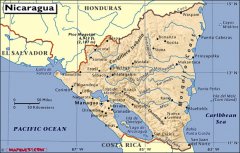
The species of Nagagua introduce the flavor characteristics of Nicaragua and the growing areas of Nicaragua.
Nicaragua: Nicaraguan coffee flavor characteristics: moderate acidity, fragrant and delicious. Nicaraguan coffee of high quality is in the forefront of coffee beans in the world and enjoys a good reputation. Its particles are moderate in size, mild in taste and very aromatic and mellow. Nicaragua is located in central Central America, bordered by the Pacific Ocean to the west and the Caribbean Sea to the east. The highland in the north and the coastal plain in the east, belonging to Central America.

Description of Flavor of Hassanda Coffee Garden in Ecuador; characteristics of varieties in producing areas; introduction of fine coffee
Coffee began to flourish in Central America in the 18th century, and this important economic product originated in Costa Rica around 1840. Since Central America became independent from Spain in 1821, there has been a lot of war. Because Costa Rica was far away from Guatemala City, the capital of the Spanish colony at that time, it was not affected by the civil war. Instead, it was Guatemala and El Salvador that delayed coffee because of the civil war.

Introduction of Esmeralda Manor in Panama, the King of Coffee Price ratio in Central America
Panama Coffee, the king of coffee price in Central America, has been among the best coffee producers in the world since three years ago, surprising countries that have been in the vanguard of developer production for many years. Panamanian coffee is mainly produced in the west near the Costa Rican border, producing the best washed coffee. Compared with coffee beans grown at low and middle elevations
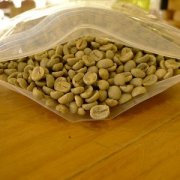
Coffee beans from Central America and Costa Rica, one of the coffee producing areas of Tarasu.
The coffee beans produced in the high latitudes of Costa Rica are famous in the world, full-bodied, mild in taste, but extremely sour. The coffee beans here have been carefully processed, which is why they have high-quality coffee. Located in the south of SanJos, the capital of Tarasu, Costa Rica is one of the most valued coffee growers in the country. Tarrazu epoch

Panamanian Coffee-the King of Coffee Price ratio in Central America
Panama has been among the world's coffee producers since three years ago, surprising countries that have been in the vanguard of developer production for many years. The main producing area of Panamanian coffee is washed coffee produced in the west near the border with Costa Rica. Compared with coffee beans grown at low and middle elevations, the low temperature and stable climate at high elevations in Panama affect coffee beans.

Cross-strait coffee gives you 5 minutes to understand the origin of coffee.
There are all kinds of legends about the origin of coffee, but most of them are forgotten because of its absurdity. People will not forget that Africa is the hometown of coffee. Coffee trees are likely to be found in Ethiopia's KAFFA province. Later, batches of slaves were sold from Africa to Yemen and the Arabian Peninsula, and coffee was taken everywhere along the way. That's for sure.

History of coffee beans in Guatemala
Guatemala is located in the center of North and South America, and its geographical location occupies an important position in Central America. Guatemala covers an area of about 108899 square kilometers. The land features can be divided into plateau volcanoes, lowland tropical forests, volcanic sandy shore plains along the Pacific coast, and virgin lands along the Caribbean Sea. The SierraMadre Mountains of Central America span east and west of Guatemala, covering an area of

Interpretation of the flavor characteristics of individual coffee beans from all over the world
Coffee trees grow in tropical or subtropical agricultural gardens centered around the equator and called coffee belts. In addition, growing coffee also requires daylight and proper shade, which is most suitable for planting on fertile soil or volcanic ash soil. Therefore, the origin of coffee is widely distributed in South America, Central America, the West Indies, Asia, Africa, Arabia, the South Pacific and Oceania. If not

Introduction of boutique coffee in Matagalpa in Central America and Nicaragua
In many countries, coffee production will be seriously affected for political reasons. Nicaraguan coffee industry is no exception. The 1979 revolution forced coffee planters to flee to Miami. A period of indecision followed, when the government considered whether to redistribute land (including many plantations), which led to a shortage of coffee and a decline in production since the early 1970s

Introduction of boutique coffee producing areas: coffee beans from Central and South America, Mexico, Jamaica, Brazil, Goran.
Coffee beans are the essential raw materials for making coffee, and there are more coffee bean producing areas, while some continents write less. The following editor will introduce to you the five major coffee bean producing areas in Central and South America. 1. Mexican coffee production is concentrated in the south near Guatemala, with mountains running through the east and west, making its mountains sloping, making it ideal for coffee.

Coffee futures prices fell to a 13-year low, but production cuts in Central and South America led to a rebound in prices
Professional coffee knowledge exchange more coffee bean information Please follow the coffee workshop (Wechat official account cafe_style) Coffee futures prices have fallen to the lowest since 2006, as coffee futures prices have fallen to their lowest level since 2006, there will be more bad news in the coffee market. According to Bloomberg, the problem stems from global oversupply, which is largely due to

Introduction to Panamanian coffee beans with the name of the king of coffee sex-price ratio in Central America.
Panama Coffee, the king of coffee price in Central America, has been among the best coffee producers in the world since three years ago, surprising countries that have been in the vanguard of developer production for many years. Panamanian coffee is mainly produced in the west near the Costa Rican border, producing the best washed coffee. Compared with coffee beans grown at low and middle elevations

Costa Rican Coffee Fenghuang Manor Coffee beans processing
Following Cafe Review (Wechat official account vdailycom) found that the Cafe Beautiful opened a small shop of its own. Tarrazu in Costa Rica is one of the major coffee producers in the world. The coffee is light and pure in flavor and pleasant in aroma. Costa Rica, with its fertile volcanic soil and good drainage, was the first country in Central America to grow coffee and bananas for commercial value.

El Salvador, Northern Central America Coffee Region Manor Flavor Taste Introduction
El Salvador is located in the north of Central America and is the most densely populated country in Central America. Honduras borders the country to the north, the Pacific Ocean to the south and Guatemala to the northwest. The national economy is dominated by agriculture, with coffee and cotton as the main crops. El Salvador is also one of the birthplaces of ancient Mayan culture, not only with a distant culture, but also with volcanoes, plateau lakes and the Pacific coast.

Boutique coffee growing areas: Brazilian coffee growing areas rating
Brazil is significantly lower in elevation than other producing countries in Central and South America, with a greater proportion of estates below 1,000 meters. The landscape here is flat and monotonous, lacks microclimate, and is accustomed to using non-shade tree (insolation) cultivation methods, thus developing Brazil's unique soft bean flavor-low acidity, nutty, chocolate sweet and mellow, but slightly woody and earthy, floral and

Introduction to the main Coffee producing areas in the World
Coffee comes from coffee beans, which are harvested and processed from the fruit of trees. Coffee trees grow at the center of the equator, between latitudes of 25 degrees south and north, and are called the homes of tropical or subtropical countries called coffee belts. At present, there are about 60 coffee-producing countries. Coffee is produced in South America, Central America, the West Indies, Asia, Africa, Arabia, the South Pacific and

A brief introduction to the origin, development, history and culture of Costa Rican Saint Roman boutique coffee beans with pure flavor.
Costa Rica's volcanic soil is very fertile and well drained, especially in the central plateau CentralPlateau, where the soil consists of successive layers of ash and dust. Costa Rica was therefore the first country in Central America to grow coffee and bananas for commercial value. Coffee and bananas are the country's main exports. Allah is grown in Costa Rica.

Basic knowledge of coffee beans which country produces coffee beans?
The main varieties of coffee beans are Arabica and Robasda. According to theory, as long as the countries and regions where coffee trees are grown can be grown, which country produces coffee beans? Today we will talk about which country produces coffee beans. Brazil (South America), the largest coffee producer, accounts for 1/3 of the global consumption of coffee of all grades and types.

Coffee belt coffee trees grow at the center of the equator
Coffee trees grow in tropical or subtropical agricultural gardens centered around the equator and called coffee belts. Most of the coffee production is between the Tropic of Cancer, 25 degrees north of the tropical or subtropical equator and 30 degrees south of the equator. An area with an annual average temperature of 16-25 degrees Celsius, no Frosts Descent and rainfall of 1600-2000 mm. At present, coffee is mainly produced by seven countries.